
PIP Blog Posts

Blog

What is the Difference Between Aims and Objectives?

In any research project or academic undertaking, clearly defining your aims and objectives is crucial for maintaining focus and achieving meaningful outcomes. While they are closely related, they serve different purposes and guide your work in complementary ways. 🔹 What Are Aims? Aims are broad, general statements that express the
Read More »
Blog

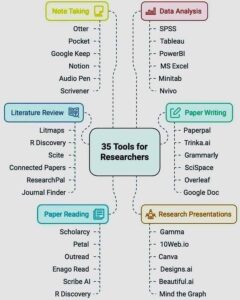
35 Essential Tools for Researchers

Research can be complex and time-consuming, but the right tools can make your academic journey more efficient and productive. From note-taking to data analysis and paper writing, these 35 essential tools cover every stage of the research process. 📝 Note-Taking Efficient note-taking is the foundation of organized research. These tools

Read More »
Blog

Types of Research Gaps You Should Know!

Identifying research gaps is a crucial step in conducting impactful and original research. Recognizing these gaps not only sharpens your focus but also ensures that your study contributes meaningful insights to your field. Here’s an overview of the 7 key types of research gaps every researcher should be aware of.

Read More »
Blog

100 AI Tools to Excel in Your Career!

Artificial Intelligence (AI) is rapidly transforming the professional landscape. From boosting productivity to enhancing creativity and automating routine tasks, AI tools are becoming indispensable in every field. To help you stay ahead, here’s a comprehensive guide to 100 AI-powered tools across various domains that can elevate your career. 📌 Brainstorming

Read More »
Blog

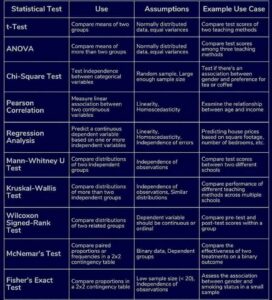
Statistical Tests: Types & Differences

Accurate data analysis is the cornerstone of quality research. Choosing the right statistical test ensures that your conclusions are valid and meaningful. Whether you are comparing groups, examining relationships, or predicting outcomes, understanding the purpose and application of each test is essential. Here’s a concise guide to the most commonly

Read More »
Blog

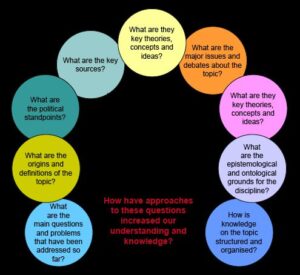
Understanding Research: Key Questions & Evolving Approaches

Research is the backbone of knowledge creation, yet its concepts and methodologies can often seem complex and overwhelming. At PAK Ink Publications, our goal is to simplify these ideas and provide clear guidance for researchers, students, and scholars. Here’s an overview of fundamental academic questions and evolving approaches that shape

Read More »
Blog

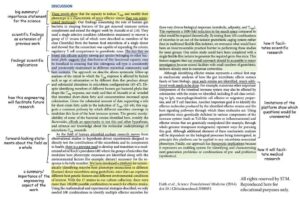
How to Write a Strong Discussion Section for Your Research Paper!

The Discussion section is one of the most critical parts of a research paper. It interprets your results, places them in the context of existing knowledge, and demonstrates the significance of your study. Writing a strong discussion not only strengthens your paper but also enhances its credibility and impact. Here’s

Read More »
Blog

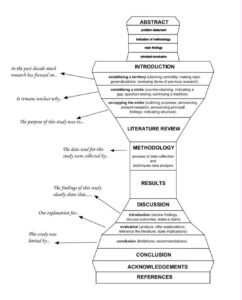
Guidelines for Writing a Research Article for Publication!

Publishing a research article is a milestone in any researcher’s academic journey. A well-structured, clear, and impactful article not only communicates your findings effectively but also increases the chances of acceptance in reputable journals. To help you succeed, here’s a step-by-step framework for writing a high-quality research article. 🔹 Abstract

Read More »
Blog

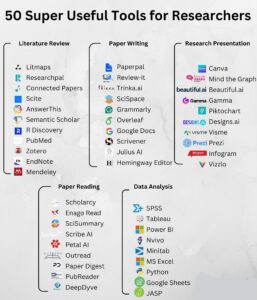
PhD Students – 50 Most Useful Tools for Researchers!

Embarking on a research journey can be both exciting and overwhelming. From literature reviews to data analysis, thesis writing, and presentations, researchers juggle multiple tasks that demand precision, organization, and creativity. Fortunately, the right tools can make this journey smoother, more efficient, and even enjoyable. Here’s a curated list of

Read More »
Blog

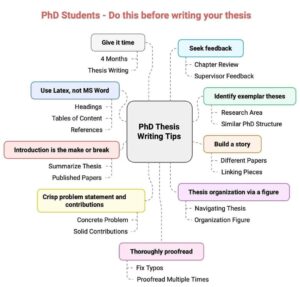
PhD Students – Do This Before Writing Your Thesis!

Writing a PhD thesis is one of the most demanding yet rewarding tasks in a researcher’s academic journey. A well-crafted thesis demonstrates your expertise, critical thinking, and contribution to your field. While the process can seem overwhelming, following strategic steps before and during writing can make it more manageable and

Read More »
Blog

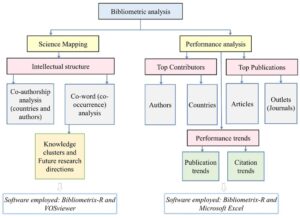
Steps for Conducting a Bibliometric Analysis Paper

Bibliometric analysis has become an essential tool for researchers who want to understand the structure, trends, and impact of scholarly work in their field. By analyzing publications, authors, citations, and collaborations, bibliometric studies provide insights into knowledge development and future research directions. If you’re planning a bibliometric analysis paper, here’s

Read More »
Blog

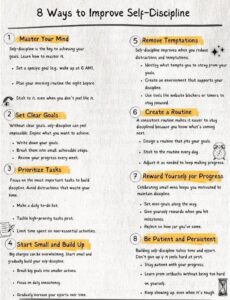
8 Ways to Improve Self-Discipline

Success isn’t about fleeting motivation—it’s about cultivating self-discipline. While motivation can give you a temporary boost, it’s self-discipline that ensures consistent progress and long-term achievement. Building self-discipline is a journey, and with the right strategies, anyone can strengthen their willpower and develop habits that lead to success. Here are eight

Read More »
Blog

Research in English Linguistics & Literature

English Linguistics and Literature research is a fascinating journey into the world of language, communication, and literary expression. It helps us understand not only how we convey ideas but also how words shape culture, thought, and society. By studying language and literature, researchers uncover the nuances of human communication and

Read More »
Blog

Research in Social Sciences

Social Science research is a vital tool for understanding human behavior, societies, and cultures. By systematically studying how individuals and groups interact, Social Science research provides insights that help us interpret social patterns, cultural norms, and institutional structures. It spans a wide range of disciplines, each contributing unique perspectives and

Read More »
Blog

What is Research?

Research is the systematic and structured process of exploring, questioning, and discovering new knowledge. It is the engine that drives progress across every field—from science and technology to humanities, social sciences, and business. At its core, research is about curiosity and the pursuit of understanding. It begins with asking questions,

Read More »
Blog

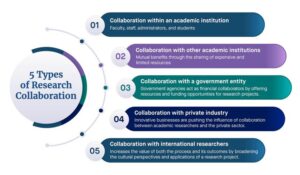
5 Types of Research Collaboration

In the early days of scientific discovery, research was often a solitary pursuit. Scientists would spend months or even years conducting experiments, analyzing data, and only then sharing their findings with the wider community. However, the advent of “big science” has transformed this approach, emphasizing the power of collaboration. Today,

Read More »
Blog

📢 Why Publish in a Web of Science (WoS) Indexed Journal?

Publishing in high-impact journals is a major milestone for researchers aiming to enhance their academic profile. Among these, Web of Science (WoS) indexed journals are highly prestigious and widely recognized in the academic community. Understanding their value can help you make informed decisions about where to publish your research. 🔍

Read More »
Blog

📢 Why Publish in a Scopus-Indexed Journal?

Publishing in high-impact journals is a major achievement for researchers seeking recognition and career growth. Among the most prestigious platforms, Scopus-indexed journals are highly valued due to their credibility, rigorous standards, and global visibility. Understanding why and how to publish in these journals can significantly enhance your academic journey. 🔍

Read More »
Blog

📢 Benefits of Publishing in Indexed Journals

Publishing your research in indexed journals is a significant milestone for academics and researchers who want to enhance their professional profile and make a meaningful contribution to their field. Indexed journals, such as those listed in Scopus, Web of Science, and HEC-approved platforms, are recognized for their quality, credibility, and

Read More »
Shopping Cart
Scroll to Top