Publishing a research article is a milestone in any researcher’s academic journey. A well-structured, clear, and impactful article not only communicates your findings effectively but also increases the chances of acceptance in reputable journals. To help you succeed, here’s a step-by-step framework for writing a high-quality research article.
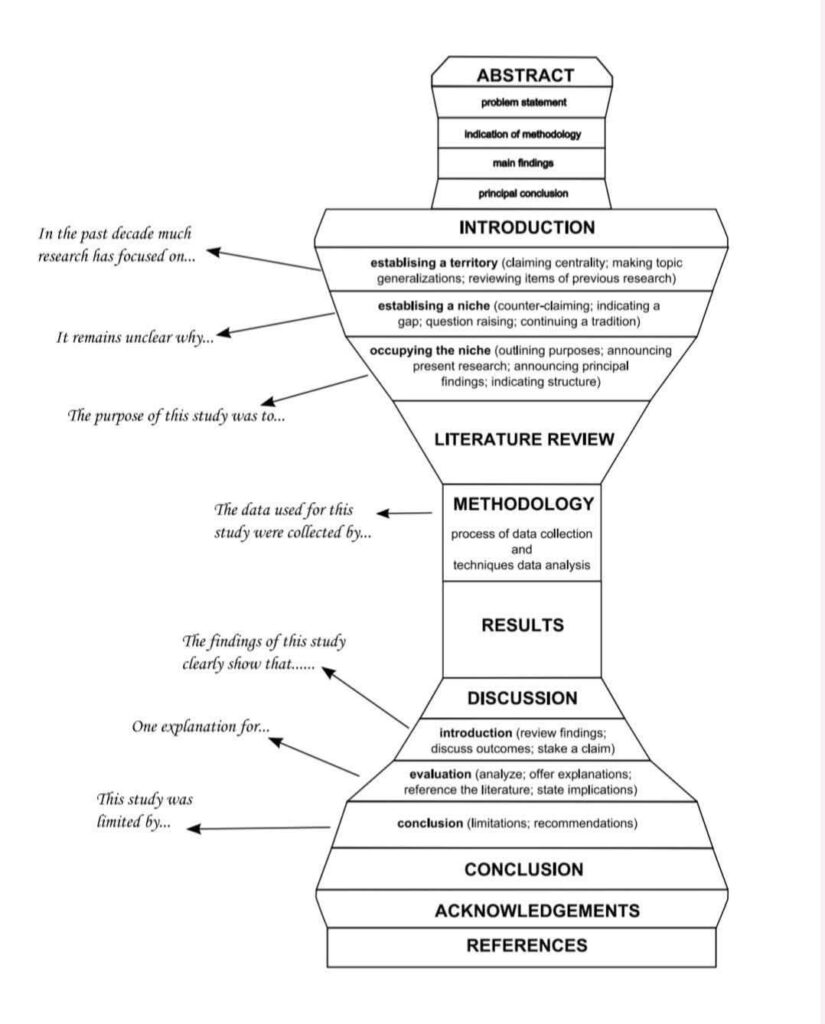
🔹 Abstract
The abstract is the first section readers see, so it must summarize your study concisely. Include the problem statement, methodology, key findings, and conclusion. A strong abstract captures the essence of your research and encourages readers to explore the full article.
🔹 Introduction
The introduction sets the stage for your research. Follow this structured approach:
📌 Establish a territory – Review existing research to provide context and background.
📌 Establish a niche – Identify gaps, unresolved questions, or challenges in the current literature.
📌 Occupy the niche – Clearly state your research purpose, summarize your key findings, and outline the structure of the article.
🔹 Literature Review
The literature review provides a comprehensive analysis of previous studies, offering context and justification for your research. Highlight the theoretical frameworks, methodologies, and key findings of prior work while demonstrating how your study contributes to existing knowledge.
🔹 Methodology
Explain your research design, data collection methods, and analysis techniques in detail. Transparency in methodology ensures the reproducibility and credibility of your study, allowing other researchers to understand and evaluate your approach.
🔹 Results
Present your findings clearly and systematically. Use tables, charts, and figures where appropriate to enhance readability. Focus on the key results that directly address your research questions or hypotheses.
🔹 Discussion
The discussion interprets your results in the context of existing literature. Structure it as follows:
📌 Introduction – Summarize and interpret your main findings.
📌 Evaluation – Analyze the results, offer explanations, and connect them to previous studies.
📌 Conclusion – Address study limitations, suggest practical implications, and provide recommendations for future research.
🔹 Conclusion
Summarize the main insights of your research, emphasizing the contributions and significance of your study. Keep this section concise and impactful, reinforcing the value of your work.
🔹 Acknowledgements
Credit all contributors, funding sources, and institutions that supported your research. Proper acknowledgment demonstrates academic integrity and professionalism.
🔹 References
Cite all sources accurately following the journal’s preferred citation style. Comprehensive referencing strengthens the credibility of your article and allows readers to trace your research foundation.
🚀 The Bottom Line
Following this structured framework ensures your research article is clear, organized, and impactful. By systematically presenting your study—from abstract to references—you can communicate your findings effectively and enhance the chances of publication success.
💡 Save this guide and share it with fellow researchers preparing to publish their work!