Publishing a research paper is a major milestone for students, scholars, and professionals. However, one of the most frustrating experiences in academic publishing is facing rejection. The truth is, most research paper rejections are not due to poor research—they happen because of avoidable mistakes.
If you’re aiming to publish in high-impact journals indexed in Scopus or Web of Science, understanding these common issues can significantly improve your success rate.
Why Do Research Papers Get Rejected?
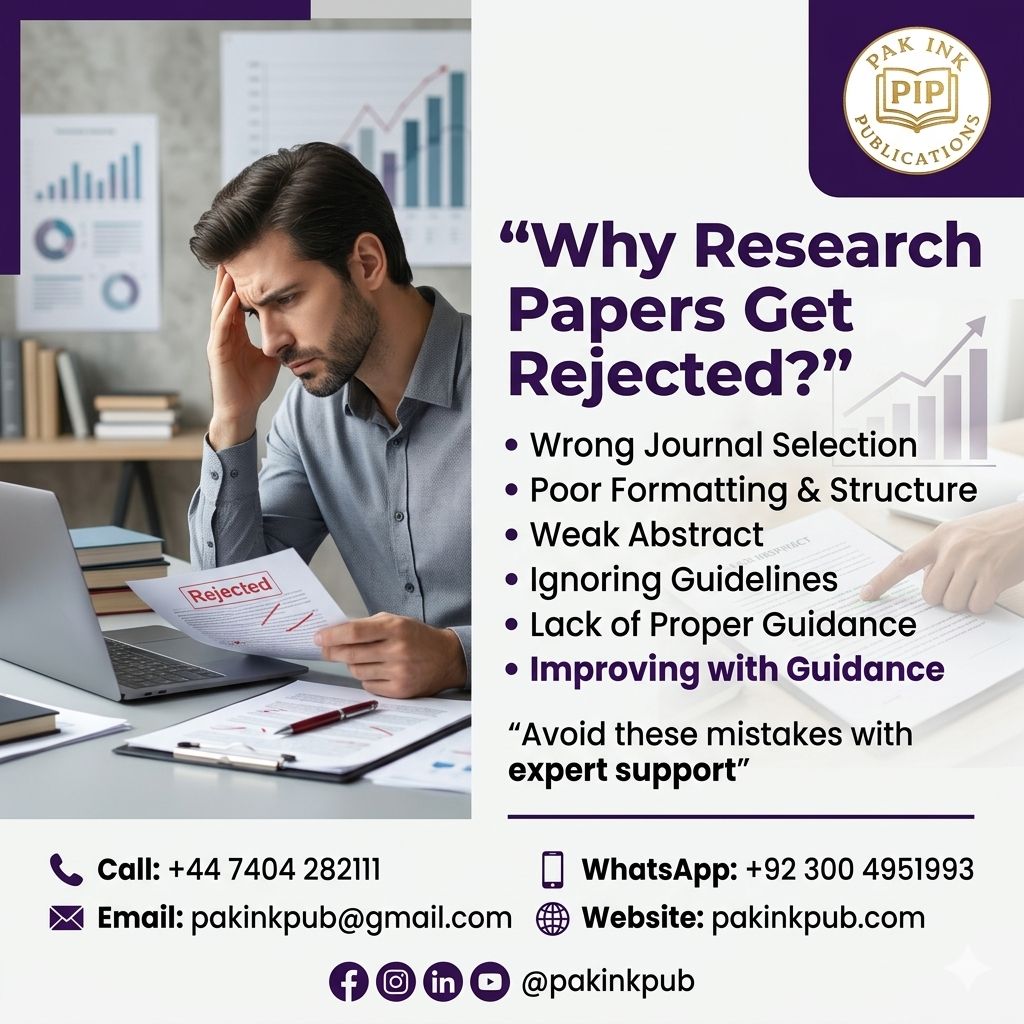
Many researchers assume rejection means their work lacks quality. In reality, journals often reject papers due to technical, structural, or strategic errors. Below are the most common reasons:
1. Choosing the Wrong Journal
Selecting an unsuitable journal is one of the biggest reasons for rejection. If your paper does not match the journal’s scope, audience, or indexing requirements (such as Scopus-indexed journals or Web of Science journals), it is likely to be declined—even before peer review.
2. Ignoring Author Guidelines
Every journal has specific submission requirements. Ignoring formatting rules, referencing styles, or word limits can lead to desk rejection. Carefully following journal submission guidelines is essential for success.
3. Poor Formatting and Structure
A well-structured paper improves readability and reviewer engagement. Disorganized sections, inconsistent formatting, and unclear headings can make your research appear unprofessional.
4. Weak Abstract and Unclear Research Focus
Your abstract is the first thing editors and reviewers read. A weak or vague abstract fails to highlight the significance of your study. Similarly, an unclear research objective reduces the impact of your work.
5. Not Meeting Reviewer Expectations
Reviewers look for clarity, originality, strong methodology, and proper citations. Failing to address these expectations often results in rejection or major revisions.
How to Avoid Research Paper Rejection
The good news is that these issues can be fixed with proper preparation and expert guidance. Here are key strategies to improve your chances of acceptance:
- Carefully match your research with the right journal
- Follow submission guidelines strictly
- Improve manuscript structure and clarity
- Write a strong, concise, and impactful abstract
- Revise your paper based on reviewer expectations
Get Expert Support for Research Publication
At PAK Ink Publications, we help researchers overcome these challenges and achieve successful journal publication. Our services include:
- Manuscript editing and quality improvement
- Guidance for selecting Scopus and Web of Science journals
- Step-by-step submission and revision support
Our focus is not just getting your paper published—but ensuring it meets high academic standards for long-term impact.
Final Thoughts
Research paper rejection is not the end—it’s part of the journey. With the right strategy, preparation, and support, you can turn rejection into acceptance.
If you’re planning to publish your research paper or facing repeated rejections, now is the time to refine your approach and improve your chances of success.
Keywords: research paper rejection, academic publishing, Scopus journals, Web of Science journals, research paper tips, journal submission guidelines, manuscript editing, research support